
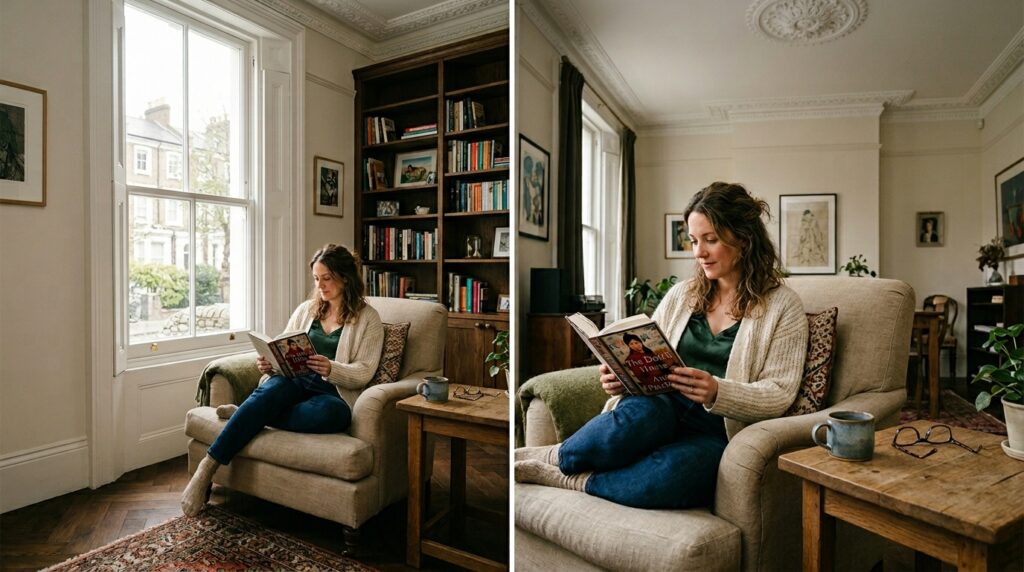
There is a category of photography that sits between pure interior documentation and pure portrait work, and it is one of the most commercially effective disciplines available to brands that sell products, environments, or experiences. An interior lifestyle photographer produces imagery that shows real people living naturally within designed spaces, creating visual content that communicates both the quality of the environment and the feeling of inhabiting it. This is not staged photography that looks lived-in. It is carefully produced photography that communicates authenticity, aspiration, and the specific emotional experience a brand wants its audience to connect with.
For London brands in homeware, interiors, hospitality, property development, and lifestyle sectors, professional interior lifestyle photography is the discipline that closes the gap between showing a beautiful space and making a potential customer feel that they want to be in it. This post explains what that discipline involves, why it matters commercially, and what brands need to consider when commissioning it.
What Interior Lifestyle Photography Is and How It Differs from Interior Photography
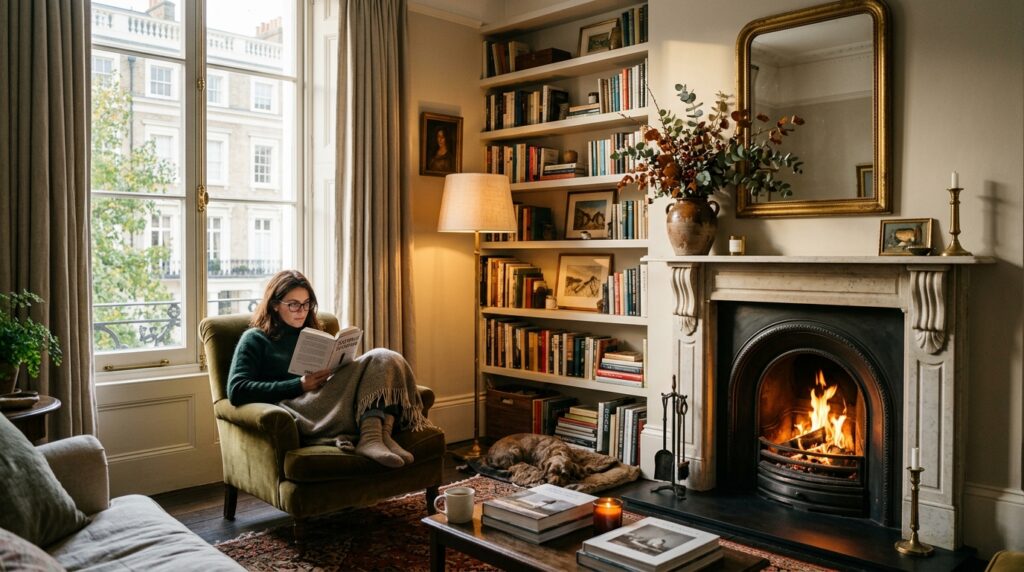
As Nielsen Norman Group’s research on visual storytelling and emotional engagement1 confirms, images featuring people in contextual environments generate significantly stronger emotional engagement and purchase intent than images of the same environments without human presence. This is the core commercial argument for interior lifestyle photography over pure interior photography. Both disciplines document a designed space. The lifestyle approach adds the human dimension that transforms a beautiful room into a place a viewer can imagine themselves inhabiting.
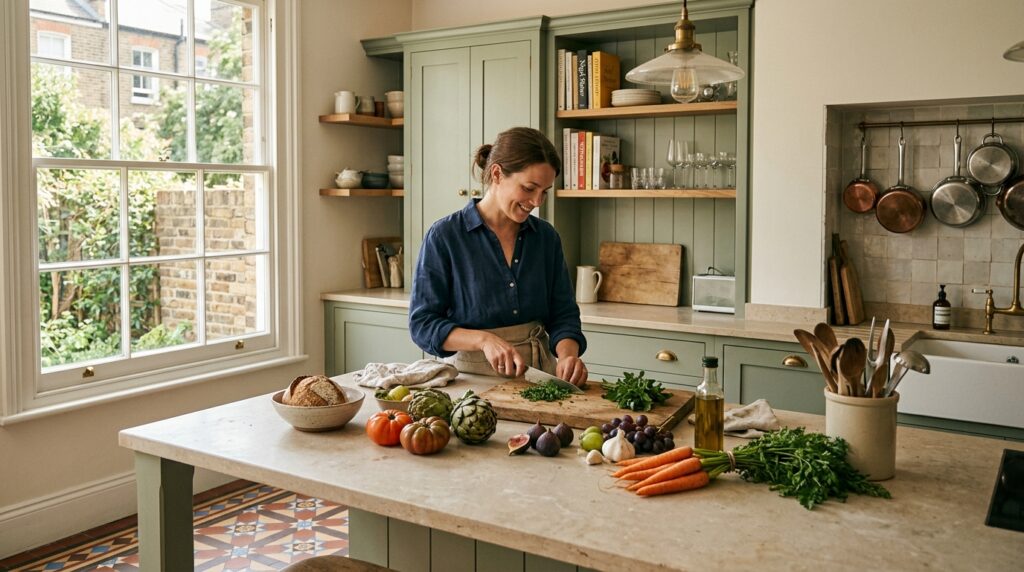
Pure interior photography communicates the quality of a space. It shows the architecture, the materials, the light, and the design intent. An interior lifestyle photographer adds to all of this a human presence that communicates the experience of being in that space. A person making coffee in a beautifully designed kitchen communicates more about the quality and character of that kitchen than any empty architectural shot of the same room. A couple reading in a living room communicates the atmosphere of that space in a way that no amount of carefully arranged styling can achieve without them.
The specific differences between interior photography and interior lifestyle photography include:
- Human presence and narrative. Lifestyle photography introduces people into the frame, creating a visual narrative that allows the viewer to project themselves into the scene. The people are not the subject. The experience they are having in the space is the subject.
- Authentic versus staged. The most effective lifestyle photography feels as though it captures a real moment rather than a set piece. Achieving this requires careful direction of the models or participants, considered styling of both the environment and the people within it, and a photographer who understands how to create authentic-feeling imagery through deliberate creative production.
- Emotional register. An interior lifestyle photograph operates in an emotional register that pure interior photography does not reach. It communicates warmth, belonging, comfort, aspiration, and the specific feeling of a lifestyle rather than the specific quality of a space.
- Brand storytelling. For brands, interior lifestyle photography is the primary visual tool for communicating what it feels like to use their products, stay in their hotel, live in their development, or inhabit the world they are selling. It is brand storytelling through environmental imagery rather than through copy or concept.
The Brands and Sectors That Need Interior Lifestyle Photography Most
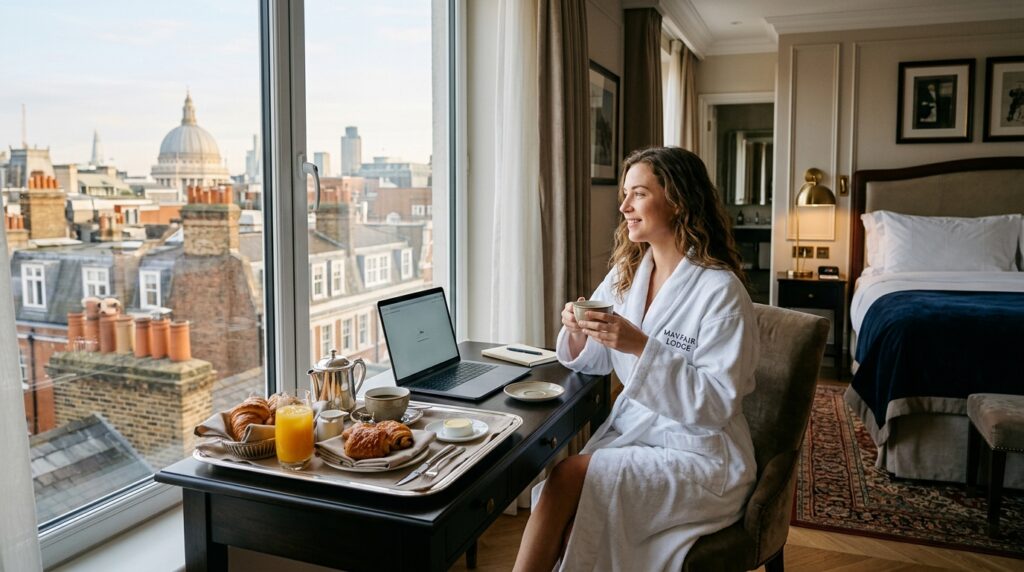
As Adobe’s State of Content research on lifestyle imagery performance2 identifies, content featuring people in contextual lifestyle settings consistently outperforms product-only or environment-only imagery across every engagement metric, including saves, shares, and click-through rates. The uplift is most significant for brands where the purchase decision is driven by aspiration and lifestyle identification rather than by functional specification. For London brands operating in these categories, commercial lifestyle photography is not supplementary to the marketing strategy. It is central to it.
The brand categories where interior lifestyle photography produces the clearest commercial return include:
Homeware and interiors brands
Products designed for the home communicate their value most effectively when they are shown within a real home environment being used by real people. A beautifully designed lamp, a ceramic vase, or a set of linen bedding all perform better commercially when shown in the context of a lifestyle image than when shown on a plain background. An interior lifestyle photographer places products within real London interior environments that communicate the aspirational lifestyle of the target consumer, making the product feel native to a world the customer wants to inhabit.
Property developers and estate agents
New residential developments and premium property listings in London increasingly use lifestyle interior photography London to sell the experience of living in a space rather than simply the physical specification of it. A show home photographed with lifestyle imagery communicates who lives there and how they live, making the purchase decision feel like a lifestyle choice rather than a transactional one.
Hospitality and hotel brands
Hotels sell an experience before a room. Interior lifestyle photography that shows guests enjoying a hotel’s spaces, whether breakfast in a beautifully lit dining room, an evening in a bar, or a morning in a suite, communicates the guest experience with an emotional specificity that pure interior shots cannot achieve. For London hotels competing for bookings in a saturated market, lifestyle imagery is the most direct visual route to booking intent.
Lifestyle and wellness brands
Brands in the wellness, beauty, food and drink, and lifestyle sectors use interior lifestyle photography to situate their products and services within aspirational real-world contexts. The interior setting is not a backdrop. It is an active part of the communication, telling the viewer who uses this product, where they use it, and how it makes their life look and feel. A specialist lifestyle photography studio London professional understands how to use interior environments as a storytelling tool rather than a neutral container.
How an Interior Lifestyle Photographer Produces Authentic-Feeling Imagery
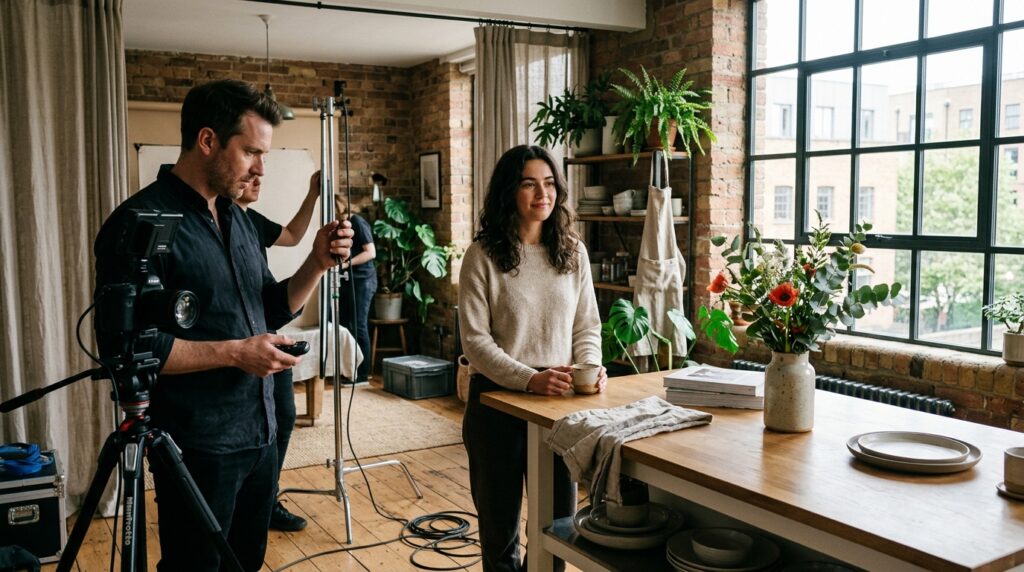
As Deloitte’s CMO survey on visual content and emotional brand connection3 identifies, marketing leaders consistently identify emotional resonance as the primary driver of visual content performance, and emotional resonance in lifestyle imagery is produced through the specific combination of authentic environment, authentic human presence, and authentic moment. Producing imagery that feels authentic while meeting precise commercial and brand requirements is the defining skill of a specialist interior lifestyle photographer, and it is one that requires a specific production approach.
Location selection and real London interiors
The most effective interior lifestyle photography uses real interior environments rather than generic studio sets because real environments carry specific character, history, and authenticity that built sets cannot replicate. For London lifestyle photography, this means commissioning shoots in real homes, real hotel suites, real restaurant dining rooms, and real commercial spaces that carry the specific sense of place and lifestyle context the brand needs. A specialist interior lifestyle photographer has experience accessing and working within real London interior locations across the full spectrum of property types.
Casting and model direction
The people in a lifestyle photograph communicate the target consumer’s identity as much as the environment does. Casting models or participants who genuinely reflect the brand’s audience, directing them to behave naturally within the space rather than performing for the camera, and capturing moments that feel like genuine human activity rather than posed tableaux are all skills that distinguish a specialist interior lifestyle photographer from a general commercial photographer. The best lifestyle images feel as though the camera arrived in a moment that was already happening.
Styling the environment and the people together
In interior lifestyle photography, the styling of the physical environment and the styling of the people within it must form a coherent visual world. Mismatched aesthetics between the interior and the clothing, the props and the accessories, or the lighting mood and the activity all break the authenticity of the image. A specialist lifestyle photography services production coordinates interior styling, wardrobe styling, and prop selection as a single creative process rather than three separate briefs, producing imagery where everything in the frame belongs to the same world.
Lighting for atmosphere rather than documentation
The lighting approach in commercial lifestyle photography is designed to produce an atmospheric quality rather than a technically even exposure. Natural window light, practical interior lighting from lamps and overhead fixtures, and carefully placed supplementary sources all contribute to creating the specific mood the brand needs. A specialist interior lifestyle photographer uses lighting as a storytelling tool, not a technical requirement, producing images where the quality of the light communicates as much as the subject matter.
The Commercial Case for Investing in an Interior Lifestyle Photographer
As Baymard Institute’s research on lifestyle imagery and purchase conversion4 demonstrates, product and brand imagery featuring people in contextual lifestyle settings produces measurably higher conversion rates than equivalent imagery without human presence, with the uplift most significant in categories where the purchase decision is aspirational rather than functional. For London brands commissioning interior lifestyle photography, this conversion uplift is the primary commercial justification for the investment, and it compounds across every channel the imagery appears on.
The commercial return on specialist interior lifestyle photography shows up across several specific dimensions:
Social media engagement and organic reach
Lifestyle images consistently outperform interior-only and product-only images on Instagram and Pinterest, the two platforms most relevant to interior, homeware, hospitality, and lifestyle brands. Save rates, which are the metric most strongly correlated with purchase intent and with organic algorithmic distribution, are significantly higher for lifestyle content than for any other format. A specialist interior lifestyle photographer produces images with the specific visual qualities that drive saves: authentic human presence, aspirational but achievable environments, and a mood that resonates emotionally with the target audience.
Website conversion and time on site
Brand websites featuring interior lifestyle photography alongside product and environment imagery hold visitors for longer and convert at higher rates than those using either in isolation. The lifestyle imagery does the emotional work of making a visitor want to be part of the brand world, while the product imagery provides the specific information they need to make a purchase decision. Both are necessary and the lifestyle imagery is often the more commercially active of the two.
Press and editorial coverage
Design publications, lifestyle magazines, and the interiors sections of national newspapers feature lifestyle photography because it tells a story. Pure interior images, however beautifully executed, are less likely to generate editorial coverage because they present a space rather than communicating an experience. An interior lifestyle photographer who produces press-quality lifestyle imagery for a London brand opens the door to editorial coverage that functions as unpaid media with a credibility that paid advertising cannot replicate.
Brand identity and audience connection
Over time, a consistent body of lifestyle interior photography London builds a brand’s visual identity in the minds of its audience. The specific type of people shown in the imagery, the specific character of the environments they inhabit, and the specific emotional mood of the photography together constitute the brand’s visual world. A brand that invests consistently in specialist lifestyle photography builds a visual identity that audiences recognise and connect with before they read a word of copy or see a product close up.
Frequently Asked Questions
What is the difference between lifestyle photography and interior photography?
Interior photography documents and communicates the quality of a designed space. Interior lifestyle photography communicates the experience of inhabiting that space by introducing people, activity, and human narrative into the frame. The two disciplines serve different but complementary purposes. Interior photography provides the architectural credibility and design quality that a space needs to establish. Lifestyle photography adds the emotional dimension that makes a viewer want to be in it. Most brands that invest in one benefit significantly from also investing in the other, and the most effective visual libraries include both as part of a planned and coordinated production
Do models need to be professional or can real people be used?
Both approaches are used effectively in commercial lifestyle photography, and the choice depends on the brand’s positioning and the intended use of the images. Professional models provide consistency, availability, and the ability to take creative direction quickly. Real people, whether members of the public, brand advocates, or the brand’s own customers, bring an authenticity that professional models sometimes need to work harder to achieve. A specialist interior lifestyle photographer will advise on the best approach for your specific brief and budget at the briefing stage.
How do you make lifestyle photography feel authentic rather than staged?
Authentic-feeling interior lifestyle photography is the result of careful production rather than the absence of it. The casting choices, the wardrobe, the activity direction, the specific moment within an action that is captured, and the lighting quality all contribute to producing images that feel like real life rather than staged imagery. As Kantar’s BrandZ brand equity research5 confirms, brands whose visual content is perceived as authentic by their target audience achieve significantly stronger emotional connection and brand equity than those whose content reads as staged or overly produced. A specialist interior lifestyle photographer understands exactly how to produce imagery that achieves both production precision and authentic feeling simultaneously.
Can interior lifestyle photography be produced without a dedicated studio?
Yes, and for most lifestyle briefs a real London interior location produces more commercially effective imagery than a studio setup. Real homes, hotels, restaurants, and retail environments provide authentic character and contextual specificity that studio sets struggle to replicate convincingly. Joel Knight does not operate a permanent studio but has access to a network of professional studio spaces and real interior locations across London that are selected specifically for each brief. See examples across the lifestyle photography portfolio at interiorphotographer.photos.
How many images does a lifestyle photography shoot typically produce?
A typical interior lifestyle photography shoot produces between 20 and 50 finished images per day depending on the number of scenes, locations, and looks planned. Lifestyle shoots move more slowly than pure interior shoots because each scene requires model direction, activity staging, and often multiple takes to capture the specific authentic moment the brief requires. A production plan that is realistic about the number of scenes achievable in a day produces a more consistent and commercially useful library than one that tries to cover too many setups. The planned scene count should always be agreed at briefing stage with the photographer
Commission Your Interior Lifestyle Photography in London
The most commercially effective visual libraries for London lifestyle, interiors, hospitality, and property brands include both environment photography and lifestyle photography produced to the same high standard and as part of a single coordinated creative vision. An interior lifestyle photographer who understands both the architectural quality of the space and the human experience within it produces imagery that serves every channel, every campaign, and every audience your brand needs to reach.
Browse the full lifestyle photography portfolio, the advertising photography portfolio, the residential photography portfolio, and the hotel photography portfolio at interiorphotographer.photos, then get in touch via the contact page to discuss your brief. Joel Knight is a London-based interior lifestyle photographer working with lifestyle brands, interior designers, property developers, and hospitality groups across London and beyond.
REFERENCES & CITATIONS
- Nielsen Norman Group (2022). Visual Storytelling and Emotional Engagement: Human Presence in Contextual Imagery. nngroup.com. Cited in H2 Section 1. [Images featuring people in contextual environments generating significantly stronger emotional engagement and purchase intent than environments without human presence.]
- Adobe Inc. (2023). State of Content: Lifestyle Imagery Performance vs Product-Only and Environment-Only Content. adobe.com/express/learn/blog. Cited in H2 Section 2. [Content featuring people in contextual lifestyle settings consistently outperforming product-only or environment-only imagery across every engagement metric.]
- Deloitte (2023). CMO Survey: Visual Content, Emotional Resonance, and Brand Performance. deloitte.com/cmo-survey. Cited in H2 Section 3. [Marketing leaders identifying emotional resonance as primary driver of visual content performance, produced through authentic environment, human presence, and captured moment.]
- Baymard Institute (2023). Lifestyle Imagery and Purchase Conversion: Human Presence and Aspiration in Brand Photography. baymard.com/research. Cited in H2 Section 4. [Lifestyle imagery featuring people in contextual settings producing measurably higher conversion rates than equivalent imagery without human presence, most significant in aspirational categories.]5
- Kantar (2023). BrandZ Brand Equity Research: Visual Content Authenticity and Emotional Brand Connection. kantar.com/brandz. Cited in H2 Section 5 FAQs. [Brands whose visual content is perceived as authentic achieving significantly stronger emotional connection and brand equity than those whose content reads as staged or overly produced.]