
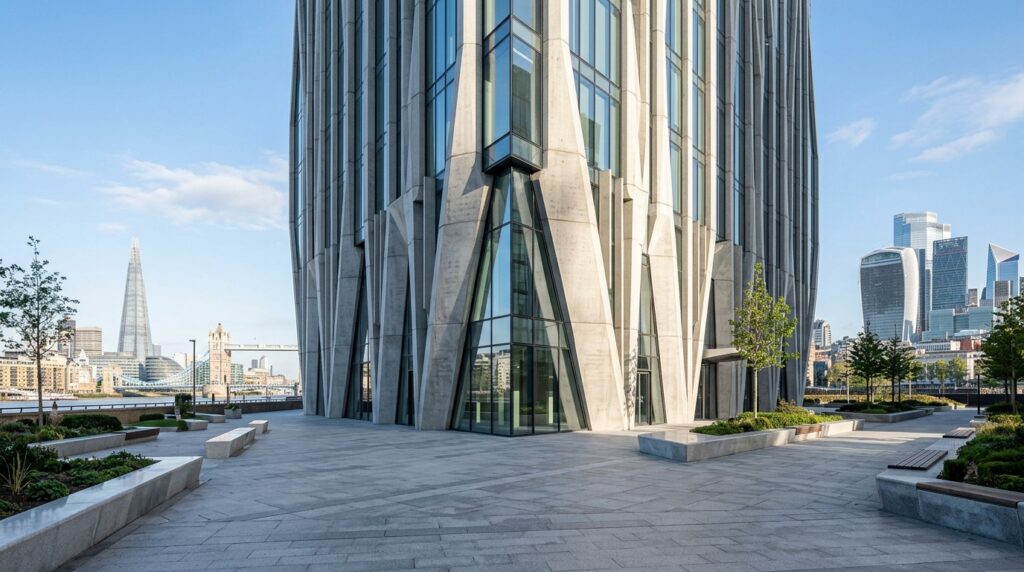
The photography produced from an architectural project is, in most cases, the most widely seen version of that project that will ever exist. More people will encounter your building or completed interior through photographs than will ever visit in person. For architects, developers, and designers working in London, the choice of architectural photographer London professionals commission is therefore not a peripheral decision made at the end of a project. It is a fundamental one that determines how the work is read, shared, published, and remembered. A strong commission produces images that serve the project for years across portfolios, press, awards, and marketing. A weak one produces images that exist and nothing more.
This guide sets out the six criteria that distinguish a specialist architectural photographer London clients should prioritise, explains what each one means in practice, and gives you a clear framework for evaluating any photographer you are considering commissioning for your next project.
Why Choosing an Architectural Photographer London Is More Than Reviewing a Portfolio
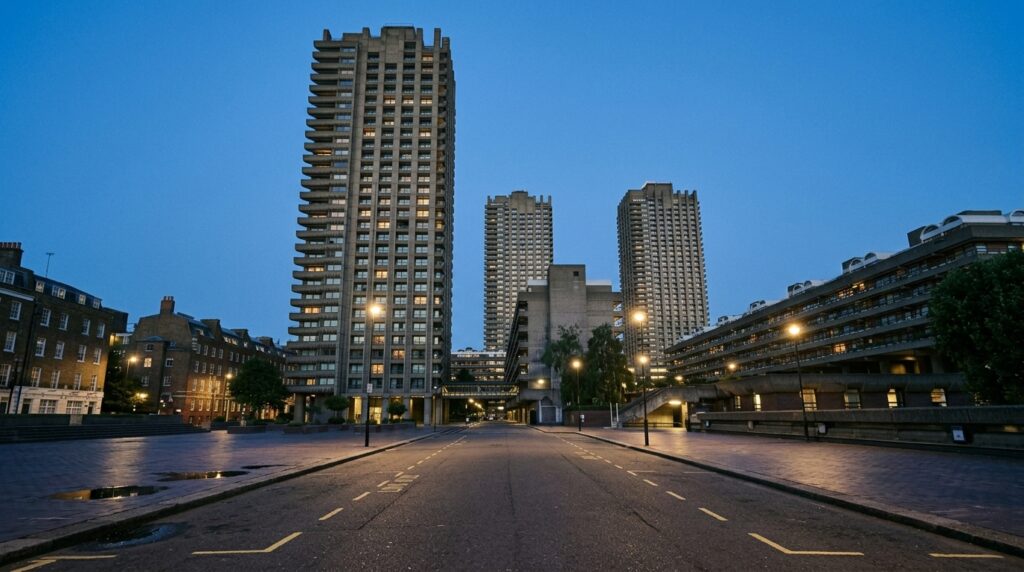
As RIBA’s guidance on architect portfolio development1 consistently emphasises, the quality of project documentation photography is one of the primary factors in how architectural work is evaluated by clients, award bodies, and the professional press. A portfolio supported by strong photography communicates the design intent, the material quality, and the spatial experience of a project with a clarity that drawings and renders cannot. The converse is equally true. A significant piece of work documented by a photographer without architectural specialism can leave the design vision unreadable in the finished images.
The challenge is that reviewing a photographer’s portfolio tells you what their best work looks like. It does not tell you whether they understand your specific project type, whether they have experience working with the building typology or London context you are dealing with, or whether their process produces the breadth of deliverables your project requires. A portfolio is necessary but not sufficient as a selection criterion for a specialist professional architectural photographer
The following six criteria go beyond portfolio review to address the questions that determine whether a photographer can deliver what your specific project actually needs.
Criterion One: Demonstrated Experience with Your Specific Project Type
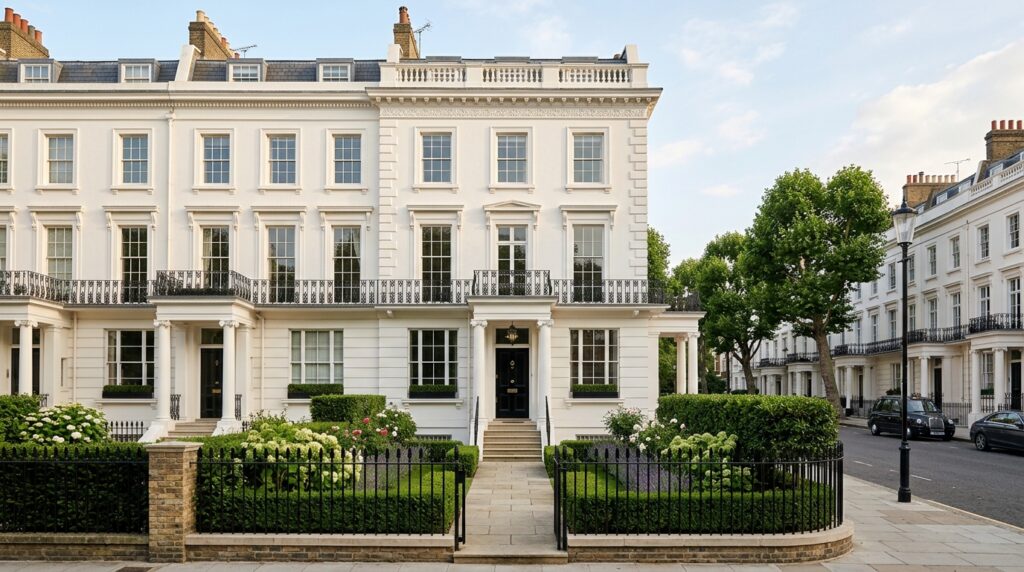
As Savills’ prime London development research2 identifies, the photography used to market premium residential, commercial, and mixed-use developments in London must communicate the specific quality and character of each asset to its target audience. A photographer whose portfolio is strong in residential work may not have the compositional experience to handle the scale, geometry, and structural complexity of a large commercial building. Equally, a photographer experienced in commercial architecture may not have the sensitivity to light and atmosphere that residential interior and architectural photography requires.
When evaluating a potential architectural photographer London commission, ask to see specific examples within your project category:
- Residential architects and developers should look for examples of completed homes and apartment schemes where the photographer has captured both exterior architecture and interior spatial quality as a coherent visual narrative.
- Commercial developers and occupiers should look for examples where the photographer has handled scale, curtain wall glazing, structural geometry, and the relationship between building and city context.
- Interior designers should look for examples where the photographer has captured material detail, spatial atmosphere, and design intent at close range as well as in wide architectural compositions.
- Hospitality and retail brands should look for examples where the photographer has produced imagery that communicates commercial purpose and brand identity through the architecture, not despite it.
Criterion Two: Technical Capability That Matches the Demands of Architectural Photography
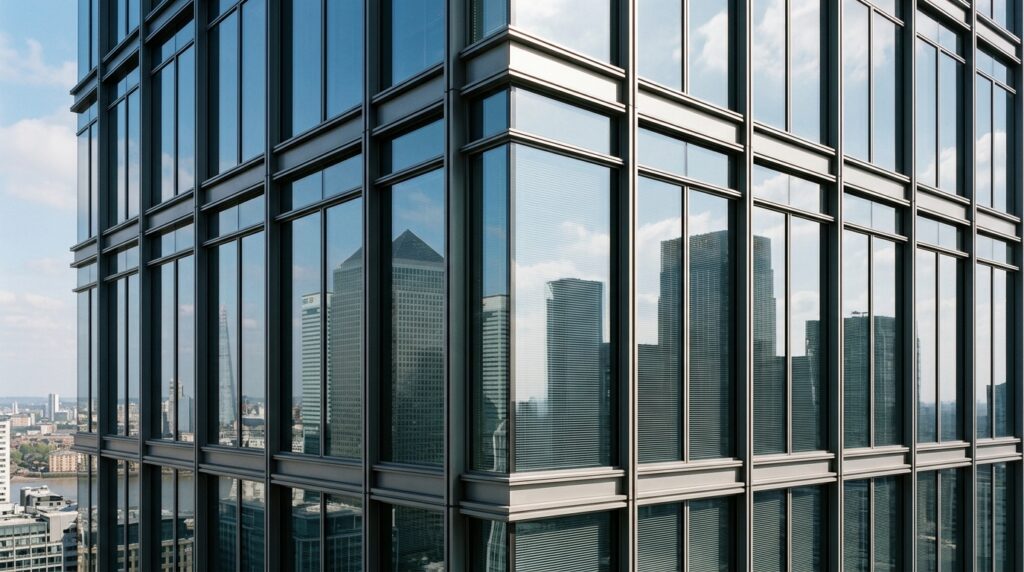
As Knight Frank’s prime property marketing research3 notes, the visual presentation of prime London property and architecture is evaluated against an increasingly sophisticated benchmark by developers, buyers, and investors. The technical standard of architecture photography services required to meet that benchmark involves specific equipment and capabilities that are not universal among commercial photographers.
The technical capabilities that distinguish a specialist architectural photographer from a competent general commercial photographer include:
Medium format camera systems
Medium format cameras produce significantly greater tonal range, colour depth, and fine detail than full frame systems. For architectural photography where material texture, facade detail, and spatial depth are central to the image, this difference is visible and commercially significant. A specialist architectural photographer London working at the level that prime London architecture requires will typically use medium format equipment as standard.
Tilt-shift lenses for perspective control
Buildings lean in photographs taken with standard lenses. Tilt-shift lenses correct converging verticals so that walls read as genuinely vertical and the building’s geometry is accurately represented. This is not a stylistic preference in architectural photography London work. It is a technical requirement. Images of buildings with converging verticals communicate carelessness about the structure itself, which is precisely the opposite of what architectural photography should achieve.
Multi-source lighting for interior architectural spaces
Large atria, double height spaces, reception halls, and stairwells all present lighting challenges that require supplementary equipment and significant technical experience. A specialist professional architectural photographer builds their lighting approach around the specific character of each space, balancing natural light from glazing with interior ambient and supplementary sources to produce images that feel like the space rather than a technically adjusted version of it.
Post-production at architectural standard
Architectural post-production involves perspective correction, sky management, window exposure balancing, and frame-by-frame retouching. It is distinct from the batch processing approach used in volume commercial photography. A specialist photographer delivers images where every frame has received individual attention, and where the colour, tone, and detail of each image communicates the architectural quality of the subject rather than simply recording it.
Criterion Three: Understanding of How Architectural Images Are Used Commercially
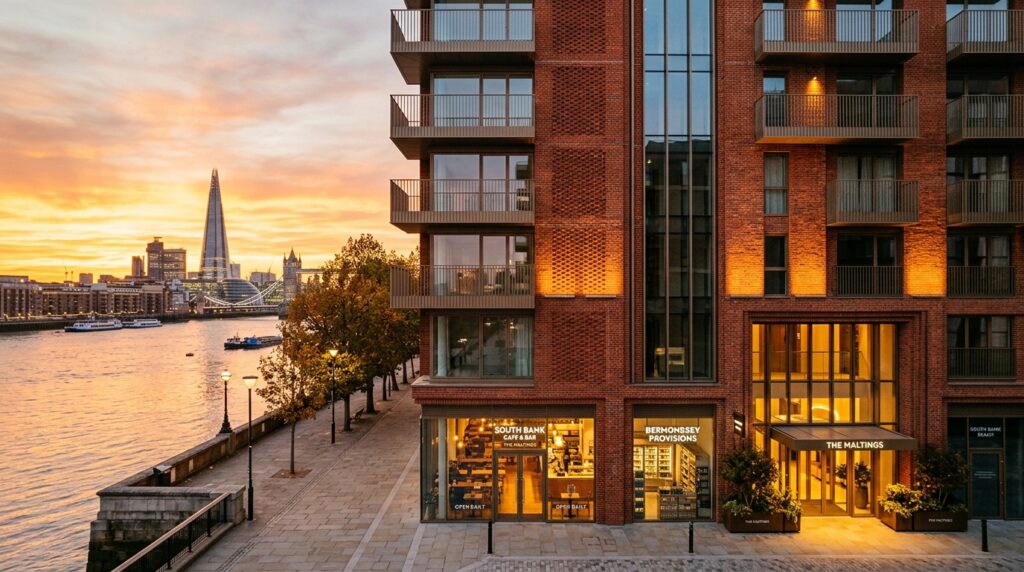
As Baymard Institute’s research on professional portfolio and marketing content4 demonstrates, visual content produced for professional portfolios and marketing materials performs most effectively when it is planned from the outset for the full range of channels on which it will appear. For architectural photography, this means that an image commissioned for a practice website needs to also work as a press submission, an award entry illustration, a social media post, and a printed credentials document, often simultaneously.
A specialist architectural photographer London understands this multi-channel requirement and plans the shoot accordingly. The specific commercial uses that architectural photography must serve include:
RIBA and other awards submissions
Architectural awards programmes including the RIBA Awards, the Stirling Prize, and sector-specific awards all require photography at a specific standard and in specific formats. A photographer experienced in producing architecture photography services for award submissions understands the requirements and produces images calibrated to meet them, rather than images that need to be adapted after delivery.
Architectural press and editorial
Publications including Dezeen, The Architectural Review, Wallpaper, Blueprint, and the architecture sections of national newspapers operate at a specific visual standard. A specialist modern architecture photography professional produces images that meet that standard as a baseline requirement. Press editors select projects for coverage based on the quality and suitability of the available images. A project with strong photography gets coverage. An equivalent project with weak photography does not.
Developer and investor marketing
For property developers and investors, architectural photography London professionals produce images that communicate asset quality, location advantage, and development vision to buyers, tenants, and investment committees. These images must work across sales brochures, planning applications, investor presentations, and agent marketing materials. A specialist understands the specific visual arguments each of these contexts requires and structures the shoot to produce imagery that serves all of them.
Architect and designer practice portfolios
A practice portfolio is the primary sales tool for any architectural or design firm. The photography in it determines whether a prospective client believes the firm operates at the level they require. Strong portfolio photography from a specialist who understands architectural design intent communicates capability and ambition simultaneously. It is the single most commercially leveraged investment a practice can make in its business development.
Frequently Asked Questions
What is the difference between architectural photography and interior photography?
Architectural photography focuses primarily on the building as a designed object: its structure, geometry, material, scale, and relationship to its site and context. Interior photography focuses on the designed environment within the building: its atmosphere, material quality, spatial character, and the experience of being within it. In practice, the most effective documentation of a completed building integrates both approaches within a single shoot. A specialist architectural photographer London covers both disciplines and understands when each approach serves the project best. See examples of this integrated approach in the architecture photography portfolio and the residential photography portfolio at interiorphotographer.photos.
How long does an architectural photography shoot typically take?
This depends on the scale of the project and the range of outputs required. A residential property shoot typically takes a half to a full day. A commercial building or mixed-use development with multiple floor plates, exterior conditions, and interior spaces may require two to three days. Award submissions often benefit from both daylight and dusk or evening exterior photography, which requires planning across two separate time windows. A specialist professional architectural photographer will provide a realistic time estimate at briefing stage based on the specific requirements of your project.
When is the best time to photograph a completed building in London?
Timing depends on the building’s orientation, its relationship to natural light, and the intended use of the images. South-facing facades photograph best in morning or late afternoon light that creates texture and shadow on the surface. North-facing facades photograph best on overcast days that provide even, diffuse illumination. Interior spaces with significant glazing require careful timing to balance window light with interior ambient. As Nielsen Norman Group’s research on visual content planning5 confirms, imagery produced with a considered approach to timing and light conditions significantly outperforms imagery produced without that planning in terms of visual impact and audience engagement. A specialist architecture photographer London will visit the site in advance and recommend an optimal shoot schedule based on the building’s specific conditions.
Should architectural photography include people or lifestyle elements?
For most architectural commissions, a combination of empty architectural images and selectively used lifestyle elements produces the most commercially effective library. Empty images communicate the quality and intent of the architecture itself. Lifestyle elements, whether people in a working environment, a resident in a residential space, or visitors in a public building, add human scale and experiential context that pure architecture cannot achieve alone. The balance between the two depends on the intended use of the images. A practice portfolio typically favours architectural purity. A developer marketing suite typically benefits from lifestyle content that helps buyers imagine inhabiting the space. Your architectural photographer London should discuss this balance as part of the brief.
What deliverables should I expect from a professional architectural photography shoot?
A professional architecture photography services delivery should include high-resolution files suitable for print reproduction at A2 or larger, web-optimised versions for digital use, and any specific format crops agreed at briefing stage for awards submissions, press packs, or social media. All images should be delivered with consistent colour grading across the full set. Usage rights, including whether images can be used in press and editorial contexts, should be agreed in the initial commission rather than after delivery. A specialist photographer will provide a clear deliverable specification as part of the briefing process.
Commission Your Architectural Photography Project in London
The right architectural photographer London professionals commission brings technical precision, creative intelligence, and an understanding of how architectural images work commercially across every channel they appear in. The difference between strong architectural photography and adequate architectural photography is the difference between a project that enters the public record with the authority it deserves and one that exists in a library and goes no further.
Browse the full architecture photography portfolio, the residential photography portfolio, and the workspace and office photography portfolio at interiorphotographer.photos, then get in touch via the contact page to discuss your project. Joel Knight is a London-based architectural photographer London working with architects, developers, interior designers, and construction firms across London and the wider UK.
REFERENCES & CITATIONS
- RIBA (2023). Architect Portfolio Guidance: Photography Standards and Project Documentation. architecture.com. Cited in H2 Section 1. [Photography quality as primary factor in how architectural work is evaluated by clients, award bodies, and professional press.]
- Savills (2023). Prime London Development Research: Visual Presentation and Asset Marketing Standards. savills.com/research. Cited in H2 Section 2. [Photography used to market premium London developments must communicate specific quality and character of each asset to its target audience.]
- Knight Frank (2023). Prime Property Marketing: Visual Presentation Benchmarks in London. knightfrank.com/research. Cited in H2 Section 3. [Visual presentation of prime London property and architecture evaluated against increasingly sophisticated benchmark by developers, buyers, and investors.]
- Baymard Institute (2023). Professional Portfolio and Marketing Content: Multi-Channel Visual Planning. baymard.com/research. Cited in H2 Section 4. [Visual content planned from outset for full range of channels performing most effectively across professional portfolios and marketing materials.]
- Nielsen Norman Group (2022). Visual Content Planning: Timing, Light, and Audience Engagement in Professional Photography. nngroup.com. Cited in H2 Section 5 FAQs. [Imagery produced with considered approach to timing and light conditions significantly outperforming imagery produced without planning in visual impact and audience engagement.]