
Retail Store Photography: Why Styling Makes or Breaks Your Brand Visuals
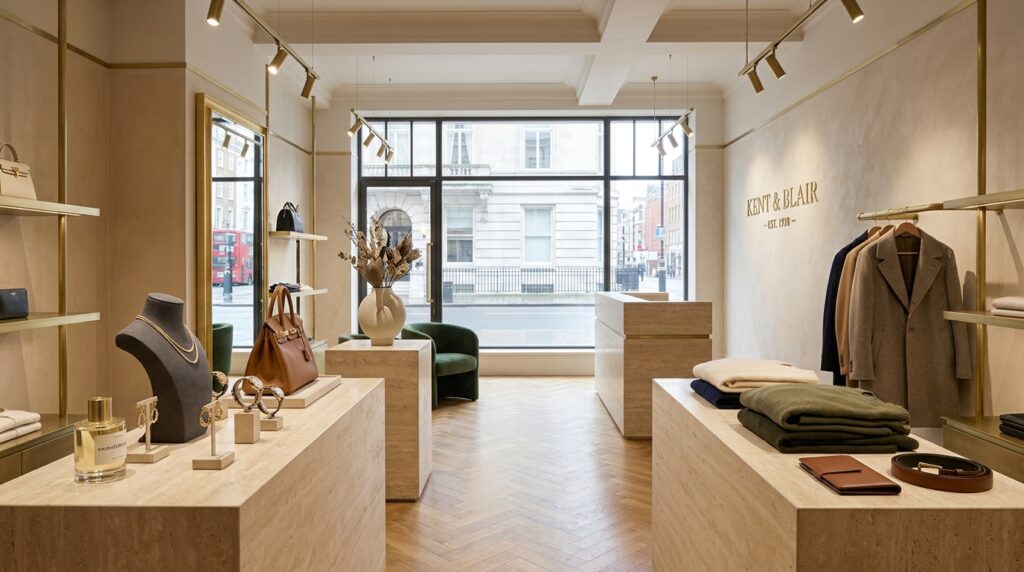
Two London stores. Same photographer. Same camera. Same lighting setup. One set of images looks like a brand. The other looks like a room full of stock. The only difference is what happened before the camera was pointed at anything. Styling is the single most controllable variable in retail store photography, and it is the one most consistently underestimated by store owners commissioning professional imagery for the first time. A beautifully lit, technically perfect photograph of a poorly styled retail space produces a beautifully lit, technically perfect record of a poorly styled retail space. The camera does not fix what the eye does not catch.
This post explains what professional styling actually involves in retail photography London, why it has such a direct effect on how your brand reads in the finished images, and what London retailers need to put in place before a photographer arrives to ensure the shoot produces imagery that works commercially.
Why Styling Has More Impact on Retail Store Photography, Than the Camera Does
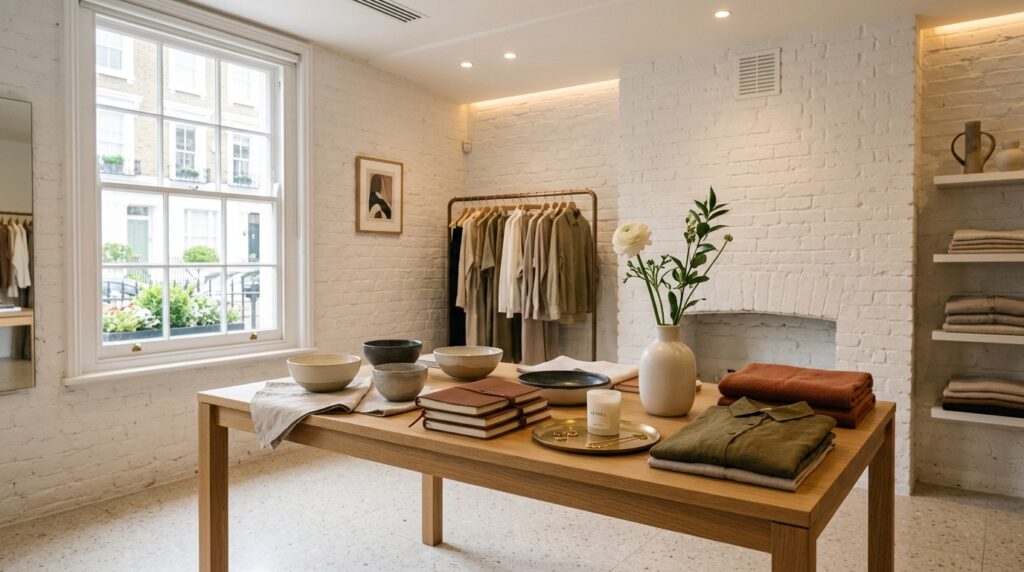
As CBRE’s UK retail market outlook1 confirms, over 70% of London shoppers research a physical retail destination online before visiting. The images they find in that research moment are doing the work that a shop window used to do. If those images show a space that feels curated and considered, the shopper feels confident. If they show a space that looks assembled rather than designed, the shopper moves on. The camera records both equally well. The styling determines which one your brand presents.
Photography skill addresses how a space is recorded. Styling addresses what is recorded. Both matter, but in the context of retail store photography, styling decisions made before the shoot determine the ceiling on what any level of photographic skill can achieve. A specialist retail interior photographer can compose, light, and expose a frame with technical precision. They cannot add considered detail, remove clutter, or create a sense of visual intention that was not there when they arrived.
The most common styling failures London retailers make before a shoot fall into three categories. First, surfaces that are technically clean but visually unresolved, with objects arranged by function rather than by how they read in a frame. Second, product density that makes commercial sense on the shop floor but reads as crowded and hard to engage with on camera. Third, a lack of editorial restraint, where too many competing visual elements prevent any single element from communicating clearly.
What Professional Styling Involves in a Retail Store Photography Shoot

As Retail Gazette’s consumer visual research2 demonstrates, shoppers form an impression of a retail brand’s quality within three seconds of viewing its imagery, and that impression is very difficult to change through subsequent content. What a professional stylist does in the hours before a shoot is compress months of brand-building into a series of considered decisions about what appears in each frame and how it is arranged.
Professional retail styling for a photography shoot covers several distinct areas:
Product selection and curation
Not every product in your store should appear in every photograph. A professional stylist works with your team to identify which products best represent the brand’s aesthetic and price positioning, then curates a selection that tells a coherent visual story across the full image set. For retail space photography, less is consistently more. A display of five items presented with intention reads as premium. The same five items plus ten more reads as unresolved.
Surface and prop selection
The surfaces on which products sit, and the props placed alongside them, communicate the brand’s world before the product itself is examined. A raw oak plank communicates something different from a polished marble slab. A folded linen cloth communicates something different from a plain white table. In retail store photography, these surface and prop choices are as much a part of the brand communication as the products themselves, and a specialist stylist selects them with that commercial intent in mind.
Colour and tonal editing within the frame
A professional stylist controls the colour palette visible in each shot, removing items that compete with or contradict the brand’s colour story and adding elements that reinforce it. This is not about making the store look different from how it normally appears. It is about presenting its existing character with the clarity and intentionality that a photograph requires but that a live retail environment does not always provide.
Depth and layering
Great retail photography London images have a sense of depth that draws the viewer’s eye through the frame. A professional stylist creates this by layering elements at different distances from the camera, ensuring that the foreground, mid-ground, and background all contribute to the overall composition. This depth is the difference between an image that invites the viewer in and one that sits flat on the screen.
How to Prepare Your Store Styling Before the Photographer Arrives
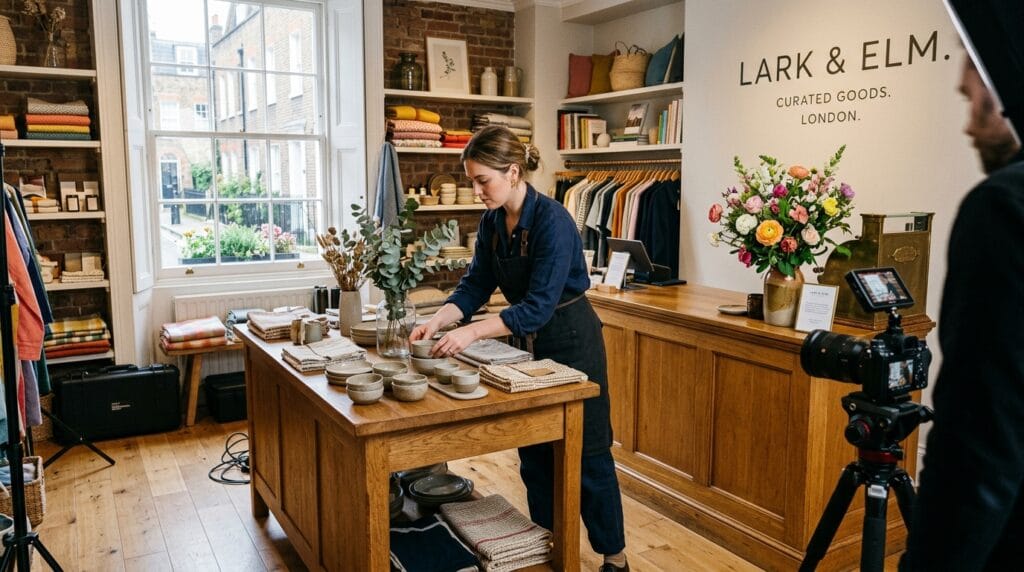
As Savills’ flagship retail and brand equity analysis3 identifies, stores with consistently high quality digital imagery command stronger brand equity ratings among consumers than those with inconsistent visual presence. The preparation that produces that consistency begins at least two to three days before the shoot, not on the morning of it.
Start with a visual edit of the entire store
Walk through every area that will be photographed and look at it as a camera would, not as a retailer would. A retailer sees stock levels, product categories, and operational logic. A camera sees composition, colour balance, and visual hierarchy. Remove anything that does not contribute to the image you want to present. This includes items behind counters that are visible in wide shots, cables and equipment at floor level, and any product or signage that contradicts your brand’s current visual direction.
Polish every surface that will appear on camera
Glass display cases, mirrors, polished floors, and glossy shelving all show fingerprints, smears, and dust with a clarity that the human eye edits out in a live environment. In a professional retail store photography context, these surfaces should be cleaned immediately before the shoot and not touched again until each shot is taken. Assign a team member specifically to surface maintenance on shoot day. It is one of the highest-value tasks on a photography production day.
Bring in fresh props and seasonal elements
Fresh flowers, seasonal produce, new-season candles, or recently arrived stock all add a sense of currency and life to retail imagery that older props cannot replicate. A store that looks like it was photographed last season communicates a brand that is not actively curated. A store with fresh seasonal elements communicates one that is present, current, and worth returning to.
Brief your team on the shoot day protocol
Everyone working in or around the store on shoot day needs to understand that areas being photographed must be kept exactly as the stylist has set them. The most common source of lost time on a retail store photographer shoot is a display being adjusted by a well-meaning team member between the stylist setting it and the camera being pointed at it. A five-minute briefing before the shoot starts prevents hours of resetting on the day.
The Commercial Difference That Styling Makes to Your Finished Images
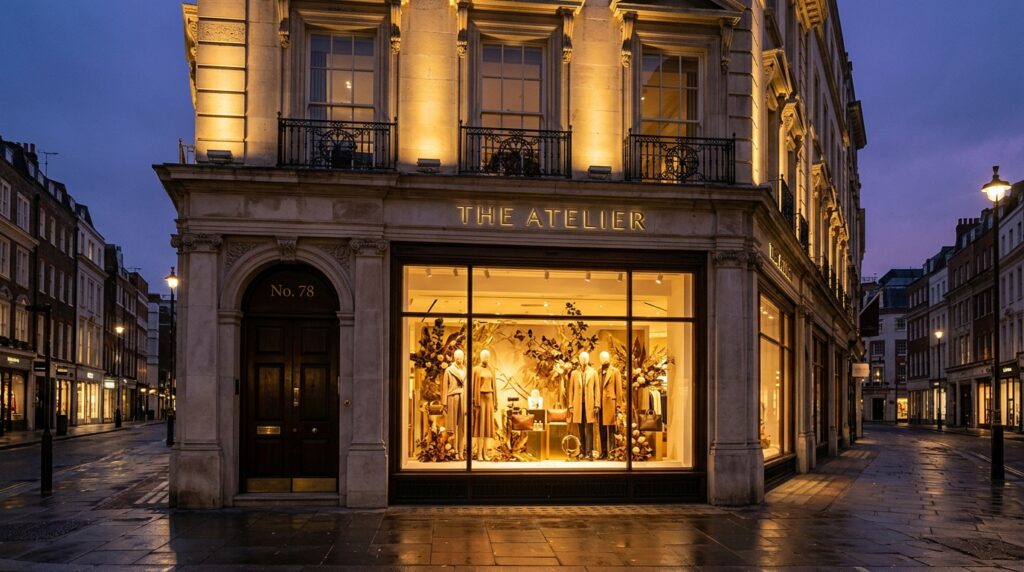
The commercial return on styling investment in retail store photography is measurable. As Baymard Institute’s e-commerce UX research4 shows, imagery quality is the primary factor in time-on-site for retail brand websites, with higher quality images producing longer session durations, lower bounce rates, and higher conversion rates. Styling is the primary driver of perceived image quality for retail content, because it is what separates a technically competent photograph from one that communicates brand intention.
The commercial impact of well-styled retail photography shows up in several specific ways:
Press and editorial coverage
Lifestyle editors and retail journalists at publications including the Evening Standard, Time Out London, and Vogue make coverage decisions based on the visual quality of a brand’s imagery. A styled, editorial-quality image is what gets a London retailer featured. An unstyled image of the same space, regardless of its technical quality, rarely passes an editorial selection process because it does not communicate the sense of considered brand intention that press features require.
Social media performance
Styled retail space photography consistently produces higher save rates on Instagram and Pinterest than unstyled imagery. The save rate is the metric most strongly correlated with purchase intent and with organic algorithmic distribution. A single well-styled image from a professional shoot can generate more measurable business impact than weeks of phone content from the same store.
Website conversion and time on site
For London retailers with an e-commerce function, the quality of in-store imagery on the brand website directly affects product page conversion. Customers who see a physical retail environment presented with genuine brand intention in the photography arrive at product pages with higher purchase confidence. Styling is what creates that intention in the image, and the conversion rate reflects it.
OTA and Google Business Profile performance
For retail brands with a Google Business Profile, professionally styled images in the photo library produce higher click-through rates from local search than unstyled alternatives. Google’s own platform data consistently shows that businesses with higher-quality photography receive more profile views and more direction requests than those without, and styling is the primary quality differentiator at the photography stage.
Frequently Asked Questions
Do I need to hire a professional stylist or can my team handle it?
For most independent London retailers, a well-prepared and well-briefed internal team can handle the basics of shoot preparation. For premium and luxury brands, fashion retailers, and any store where the visual merchandising is a significant part of the brand identity, a professional stylist adds value that an internal team cannot consistently replicate. The question to ask is whether your existing visual merchandising already communicates your brand at the level you want to present in your retail store photography. If it does, a prepared internal team is sufficient. If it does not, a stylist is the most direct investment you can make in the quality of your finished images.
How far in advance should styling be completed before the photographer arrives?
The core styling work should be complete at least one hour before the photographer arrives. This allows time for a final review, any last-minute adjustments, and the surface cleaning that always needs to happen immediately before shooting begins. For larger or more complex stores, allow a full half-day for styling before the photographer arrives. The most common cause of a rushed retail photography London shoot is underestimating how long thorough preparation takes.
Should the store look exactly as it normally does, or should it be staged?
It should look like the best version of how it normally looks, not a staged version that bears no relationship to the actual retail environment. Customers who visit after seeing the photography should recognise the space they arrive in. The goal of retail store photography styling is to present your store’s genuine character with the clarity and intentionality that professional photography requires. It is editorial curation, not fabrication. The difference matters commercially because images that create an expectation the physical visit does not meet generate negative reactions and poor reviews.
Can the photographer direct the styling on the day, or does it need to be done in advance?
A specialist retail interior photographer will make adjustments to styling during the shoot, repositioning items within a frame, adjusting lighting props, and directing small changes to improve a composition. What they cannot do is replace the preparation that should have happened before they arrived. Asking a photographer to style a store from scratch on shoot day costs half the shoot’s productive time and produces results that fall short of what thorough pre-shoot preparation makes possible.
What is the difference between visual merchandising for customers and styling for photography?
Visual merchandising for customers is designed to guide movement through the store, highlight margin products, and create purchase triggers in a three-dimensional, live environment. Styling for retail store photography is designed to communicate brand intention and product quality through a two-dimensional image viewed on a screen. As Nielsen Norman Group’s visual credibility research5 shows, users form credibility assessments from imagery within two seconds of viewing, so the styling decisions made for the camera need to prioritise immediate visual communication over the operational logic of a live retail floor. The two disciplines overlap, but they are not the same, and the best retail photography shoots treat them as distinct.
Commission Your Retail Store Photography in London
Styling is the foundation of effective retail store photography. The camera records what is in front of it. What is in front of it is determined by the preparation, the curation, and the editorial intention that goes into every frame before the shutter is released. Getting that right is the difference between imagery that builds your brand and imagery that simply documents your store.
Browse the full retail photography portfolio, the advertising photography portfolio, and the lifestyle photography portfolio at interiorphotographer.photos, then get in touch via the contact page to discuss your brief. Joel Knight is a London-based retail store photographer working with independent boutiques, luxury brands, and retail groups across London and beyond.
REFERENCES & CITATIONS
- CBRE (2023). UK Retail Market Report: Consumer Behaviour and Digital Discovery. cbre.com/insights. Cited in H2 Section 1. [70% of London consumers researching physical retail online before visiting; visual content as top three driver of visit intent.]
- Retail Gazette (2023). Consumer Visual Brand Assessment in UK Retail. retailgazette.co.uk. Cited in H2 Section 2. [Three-second brand quality impression from imagery and its resistance to change through subsequent content.]
- Savills (2023). Flagship Retail and Brand Equity: Visual Presentation Standards in London. savills.com/research. Cited in H2 Section 3. [Visual presentation quality as primary factor in brand equity ratings for physical retail.]
- Baymard Institute (2023). E-Commerce UX: Product and Store Imagery Quality and Session Behaviour. baymard.com/research. Cited in H2 Section 4. [Imagery quality as primary driver of time-on-site, bounce rate, and conversion for retail brand websites.]
- Nielsen Norman Group (2022). Visual Credibility and First Impressions in Retail Digital Content. nngroup.com. Cited in H2 Section 5 FAQs. [Two-second credibility assessment from imagery and implications for retail visual content strategy.]