
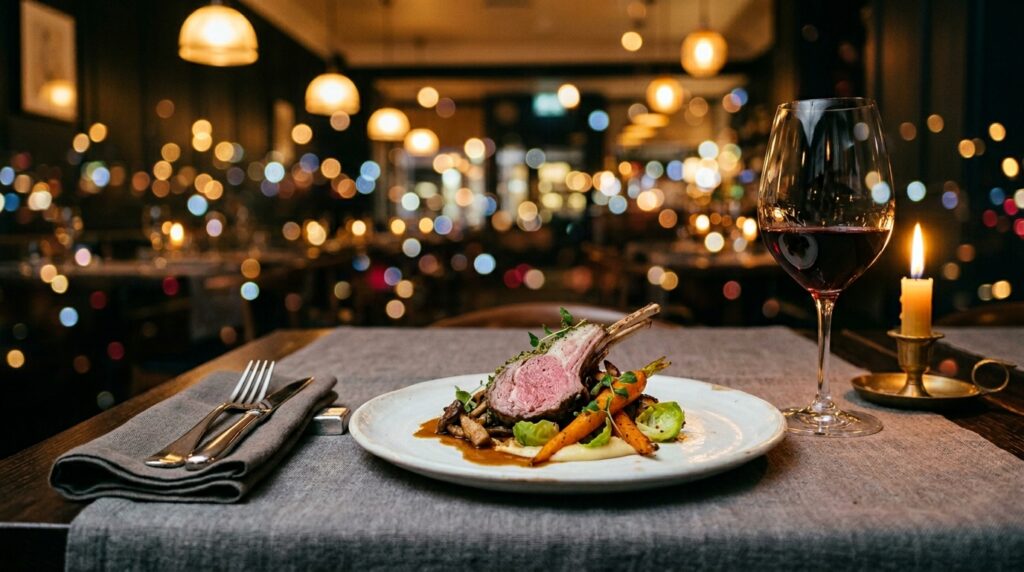
What to Expect from a Food Photographer in London: A Client's Guide
You have decided to invest in professional food photography for your London restaurant, brand, or product launch. The photographer is booked. Now the questions begin. What do you actually need to prepare? How does a shoot day work? What should the finished images look like — and how do you know if you are getting what you paid for? Hiring a food photographer London restaurants and food brands trust is one decision. Knowing how to work with one effectively is another — and it is the difference between a shoot that delivers a library of images that work across every channel for years, and one that produces a set of photographs that look beautiful but somehow fail to move the business forward.
This guide covers the full process from brief to delivery, written for clients commissioning food photography London for the first time — or for the first time with a specialist who truly understands the commercial context behind the images.
Why Food Photography London Is a Commercial Decision, Not Just a Creative One
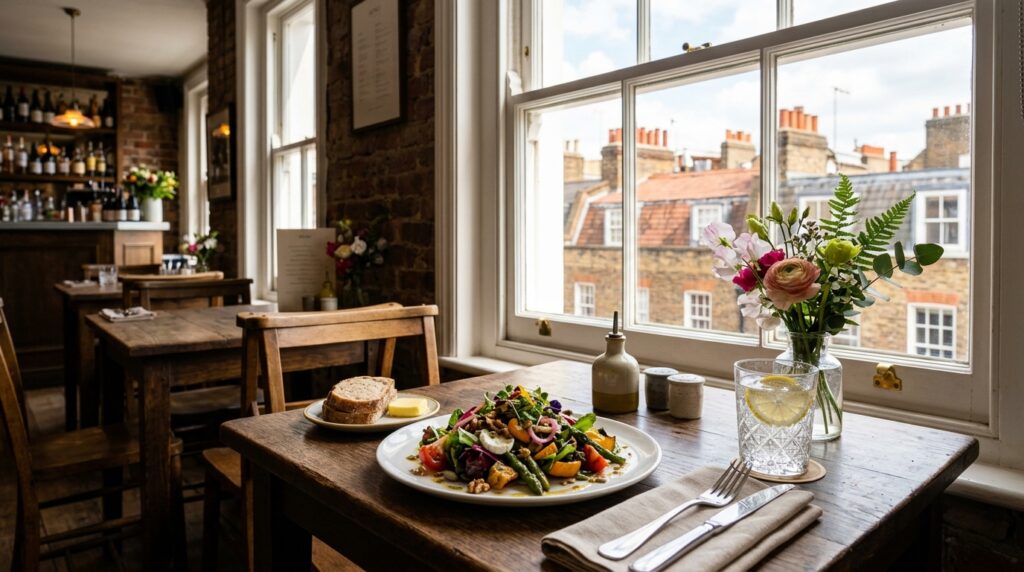
Before examining what to expect from a shoot, it is worth being clear about what professional food photography London is actually for. The answer is not ‘to make food look nice.’ It is to make a potential customer feel certain enough about their choice to act on it—to book a table, place an order, follow an account, or choose your venue over the one next to it. Yelp’s consumer research found that restaurant listings with professionally produced food photography receive over 30% more page views and convert to bookings at a significantly higher rate than those using phone photography or user-generated images. 1 In London’s restaurant market, where a potential diner can find 20 comparable venues within a single postcode, that conversion gap is the difference between a full dining room and empty covers.
This commercial framing matters when briefing a food photographer London restaurant owners should rely on. The brief should not start with ‘photograph our dishes’. It should start with: Which channels do these images need to work on? Who is the audience? What decision are we trying to help them make? And what does success look like commercially? A specialist food photographer builds the entire shoot around those answers.
What a Professional Food Photographer London Shoot Actually Involves
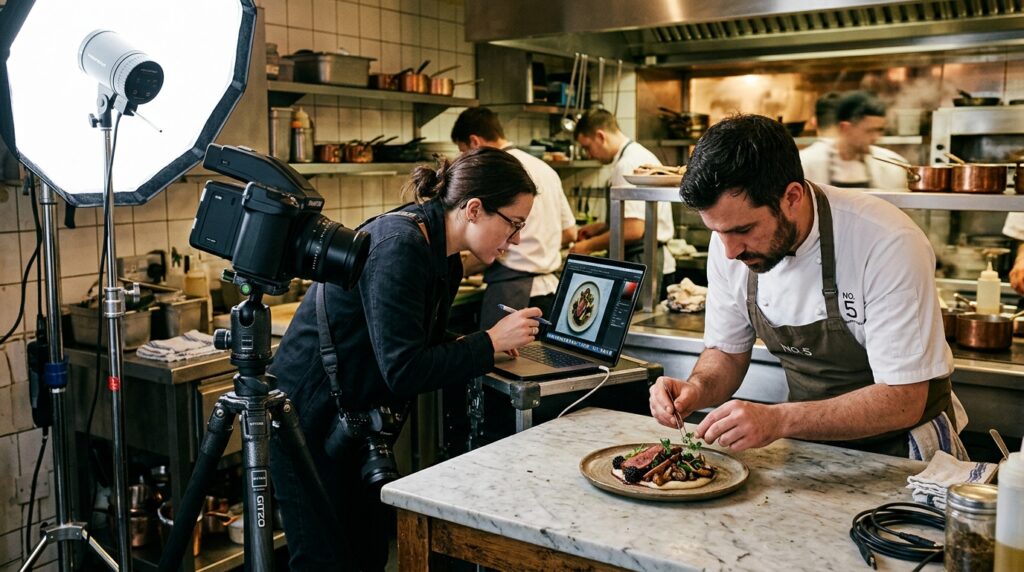
Many clients arrive at a food photography shoot expecting something closer to a cooking demonstration — the photographer arrives, the chef plates up, and the camera comes out. Professional restaurant food photography is a production. Adobe’s State of Content report found that high-performing visual content — the kind that drives measurable engagement and conversion — is produced through a deliberate, structured process rather than an ad hoc shoot.2 Here is what that process looks like in practice.
Pre-shoot briefing and planning
Before the shoot day, a professional food photographer London will conduct a thorough briefing: reviewing your existing visual presence, understanding the channels the images need to serve, discussing the mood and aesthetic that aligns with your brand, and agreeing on the specific dishes, drinks, and scenes to be captured. This briefing is not a formality. It is where the commercial strategy of the shoot is established, and every creative decision made on the day flows from it.
Location and surface selection
Great food photography is built on its surfaces, backgrounds, and props as much as the food itself. The choice of surface — marble, slate, raw timber, linen, concrete — communicates the character of the brand before the food even registers. For London restaurants, shooting in the actual dining room with the real tables, lighting, and atmosphere is often more commercially effective than a studio setup, because it shows the guest exactly what their visit will look like.
Lighting setup
Lighting is the single most technically demanding element of food photography. Natural light from a north-facing window produces soft, even illumination that flatters most dishes. Artificial lighting allows full control and consistency across a long shoot day regardless of the weather outside. A specialist professional food photographer knows which approach suits which type of image and which platform the images are destined for — and will often combine both within a single shoot for variety.
Food styling and plating direction
Even the most beautifully cooked dish needs to be styled for camera. Sauce placement, garnish positioning, the height of a stack, the angle of a spoon — these details are invisible to a dining guest but critical in a photograph. A specialist food photographer will direct the kitchen team on plating for camera, or work alongside a dedicated food stylist on larger productions. This is not a criticism of the chef’s craft. It is an understanding of how the camera sees differently from the human eye.
Multiple shots per dish
A professional food and drink photographer London does not produce one image per dish. Each dish is typically captured from multiple angles and at multiple distances — a wide establishing shot showing the dish in context, a three-quarter angle showing form and height, and a close detail shot showing texture, colour, and finish. This variety is what gives a social media content calendar, a website, and a press pack the range they need to work effectively across a full year.
How to Prepare for Your Food Photography London Shoot
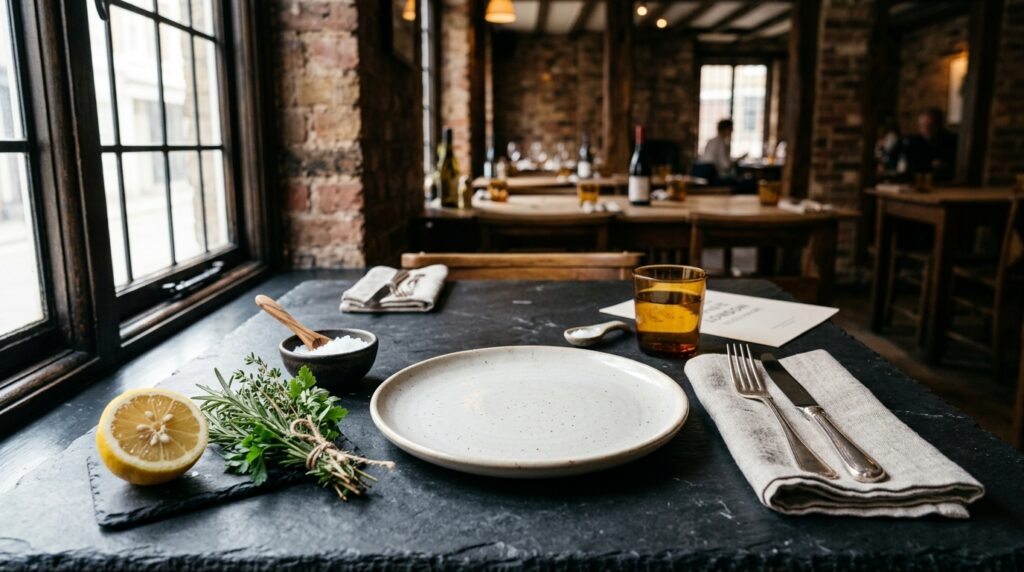
The quality of your preparation has a direct impact on the quality of your images. Toast’s restaurant industry data confirms that venues which invest time in pre-shoot preparation — cleaning, styling, and briefing kitchen teams — consistently produce higher-quality image sets than those that treat the shoot day as a surprise visit.3 Here is what effective preparation looks like.
Confirm your dish selection in advance
Decide exactly which dishes and drinks will be photographed before the shoot day. For a typical London restaurant, a single shoot day can comfortably cover eight to fifteen dishes depending on complexity. Prioritise the dishes that appear most prominently on your menu, that represent your food style most clearly, and that you want to feature in marketing. Changes on the day cost time and reduce the number of finished images.
Prepare your kitchen and front of house
Every surface that appears in a photograph needs to be clean, polished, and free of anything that should not be there. This includes the dining room tables, bar surfaces, shelving visible in the background, and any props or styling elements. Glassware and crockery should be polished immediately before use. Fresh flowers, seasonal produce, and relevant props should be sourced and ready. The more prepared the space, the more time the photographer can spend on creative execution rather than problem-solving.
Brief your kitchen team
Your kitchen team needs to understand that food being prepared for photography is not the same as food being prepared for service. Plates need to arrive at the camera position quickly and at the right temperature, with consistent plating from dish to dish. A brief conversation with your head chef before the shoot day about what to expect — and how to plate for camera — prevents the most common time-wasting issues on shoot day.
Prepare your brand guidelines if you have them
If your restaurant or food brand has established visual guidelines — specific colour palettes, typography, or aesthetic references — share these with the photographer before the shoot. A specialist food photographer London restaurant brands work with will incorporate these into every creative decision, producing images that slot directly into your existing marketing without requiring additional editing or adaptation.
What Good Food Photography London Deliverables Look Like
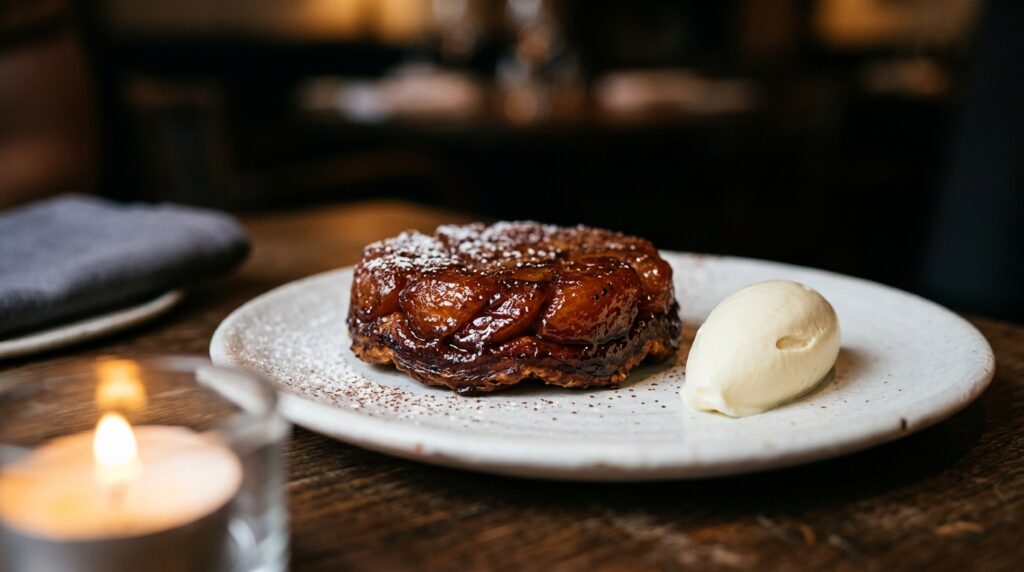
Knowing what to expect at delivery is as important as knowing what to expect during the shoot. Nielsen Norman Group’s research on visual content standards in hospitality found that users assess the quality of a food brand’s imagery within two seconds of viewing — and that technically inconsistent or poorly post-produced images reduce perceived brand credibility regardless of the underlying food quality.4 Here is what a professional food photography London delivery should include.
High-resolution files for print and press
Every finished image should be delivered as a full-resolution file suitable for print reproduction — minimum 300 DPI at A4 size or larger. These files are used for menu printing, press features, advertising, and any marketing collateral where image quality is visible at large scale. Receiving low-resolution files only is a sign that the post-production standard has been compromised.
Web-optimised versions for digital use
Alongside the high-resolution originals, a professional food photographer London restaurant delivery includes web-optimised versions of every image — smaller file sizes that load quickly on websites and booking platforms without visible quality loss. For Google Business Profile, OpenTable, and your restaurant website, fast-loading images directly affect search ranking and user experience.
Social media formatted crops
Instagram square crops, Stories vertical formats, and Reels cover frames should all be included in the delivery as standard. Receiving these pre-formatted means your social media team can begin posting immediately without additional editing. This should always be agreed at briefing stage — not requested after the final files have been processed.
Consistent colour grading across the full set
Every image in a professional food photography set should feel like it belongs to the same visual world — consistent colour temperature, consistent exposure style, and consistent tonal range. Inconsistency across a set is the hallmark of rushed post-production. When you upload your images to a booking platform or social media profile, they should read as a coherent brand gallery, not a random collection of separate photos.
Frequently Asked Questions
How long does a food photography shoot take?
A typical food photography London shoot for a London restaurant covers eight to fifteen dishes in a full day, or four to eight dishes in a half day. The exact pace depends on the complexity of each dish, whether lifestyle elements or people are included, and how long the lighting setup takes for each new scene. Your photographer should give you a realistic estimate of how many finished images to expect from the time booked — not just a reassurance that they will get everything done.
Should I hire a food stylist separately?
For most London restaurant shoots, a specialist professional food photographer will handle plating direction as part of the service, working with your kitchen team to achieve the right result on camera. For larger productions — brand campaigns, cookbook photography, or advertising shoots — a dedicated food stylist adds significant value and is usually worth the additional cost. The photographer will advise at briefing stage whether a stylist is recommended for your specific brief.
Can food photography be combined with interior photography in the same shoot?
Yes — and for most London restaurants, this is the most commercially effective approach. Integrated food and interior photography produces a library where dishes are shown in the context of the actual dining room, creating images that communicate both the food quality and the dining experience simultaneously. OpenTable’s platform data confirms that listings featuring both interior and food imagery outperform those with only one type of content in click-through and conversion rates.5 Joel Knight covers both disciplines as a single integrated production. See examples across the restaurant and bar photography portfolio and advertising photography portfolio at interiorphotographer.photos
What is the turnaround time for finished food photography?
Finished images from a professional food photographer London shoot are typically delivered within one to two weeks of the shoot date. For time-sensitive campaigns or seasonal launches, expedited delivery can often be arranged. A priority batch of hero images — the key dishes and the strongest interior shots — can frequently be delivered ahead of the full set to allow marketing activity to begin while post-production continues on the remaining images.
How do I know if a food photographer is right for my London restaurant?
Review the photographer’s existing portfolio specifically for food and restaurant work — not just their strongest general images. Look for: consistency across a full image set rather than one or two standout shots, evidence of experience with the type of food and dining environment your restaurant represents, and a visible understanding of how the images are intended to be used commercially. A food and drink photographer London restaurants trust will be able to explain the commercial context behind every creative decision in their portfolio — not just describe how the images were technically produced.
Ready to Commission Your Food Photography Shoot in London?
A professional food photographer London restaurant owners trust delivers more than beautiful images. They deliver a library of commercial assets that work across every channel your business uses — from booking platforms and your website to social media, press, and print — and that continue to earn their investment back in covers, orders, and brand recognition long after the shoot day.
Browse the restaurant and bar photography portfolio, the lifestyle photography portfolio, and the advertising photography portfolio at interiorphotographer.photos, then get in touch via the contact page to discuss your brief. Joel Knight is a London-based food photographer London restaurants and food brands trust, working across independent venues, hospitality groups, and F&B brands throughout London and beyond.
REFERENCES & CITATIONS
- Yelp Inc. (2022). Consumer Behavior and Visual Content in Restaurant Discovery. yelp-press.com. Cited in H2 Section 1. [Consumer research: professional food photography producing 30% higher page views and improved booking conversion rates on restaurant listings.]
- Adobe Inc. (2023). State of Content: Visual Production Standards and Content Performance. adobe.com/express/learn/blog. Cited in H2 Section 2. [Industry research: structured production process as a driver of high-performing visual content in hospitality and F&B marketing.]
- Toast Inc. (2023). Restaurant Success Report: Pre-Shoot Preparation and Image Quality Outcomes. pos.toasttab.com/resources. Cited in H2 Section 3. [Industry data: pre-shoot preparation investment and its correlation with finished image set quality for restaurant photography.]
- Nielsen Norman Group (2022). Visual Credibility and Brand Perception in Hospitality Digital Content. nngroup.com. Cited in H2 Section 4. [UX research: two-second visual quality assessment and its effect on perceived brand credibility in food and hospitality brands.]
- OpenTable (2023). Platform Engagement: Combined Interior and Food Photography vs Single Content Type. restaurant.opentable.com/resources. Cited in H2 Section 5 FAQs. [Platform data: listings featuring combined interior and food imagery outperforming single-type content in click-through and reservation conversion.]