
Workspace Interior Photography: What Corporate Brands Get Wrong
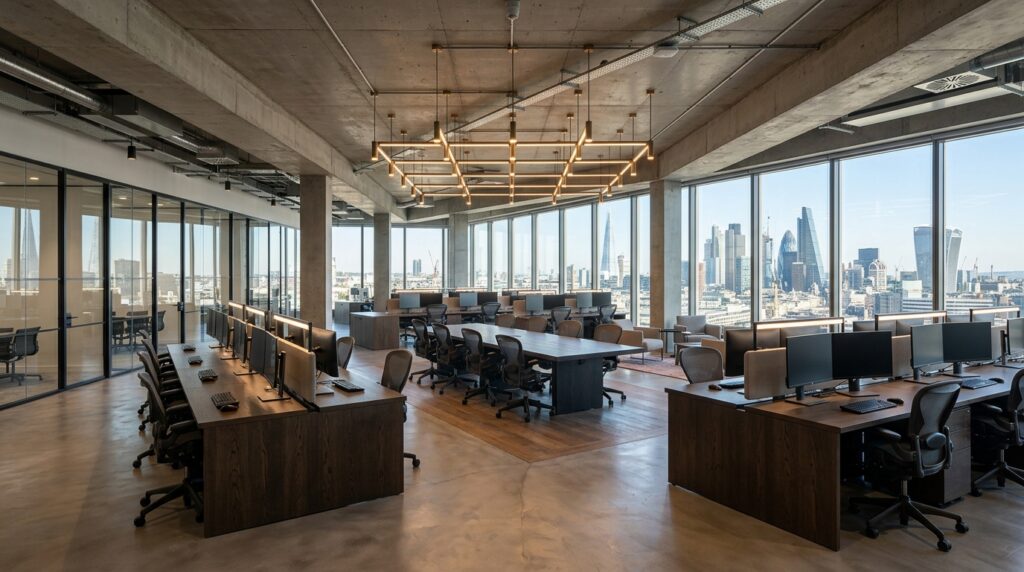
Corporate brands invest significantly in workspace design. They hire architects, bring in specialist fit-out contractors, specify premium materials, and build environments that are genuinely impressive in person. Then they photograph the result on a phone. Or they commission a generalist photographer who arrives with a wide-angle lens, takes a coverage shot of every room, and delivers a library of technically adequate images that communicates almost nothing about what makes the space worth experiencing. Professional workspace interior photography is not simply about recording what a space looks like. It is about communicating why the space matters, to the clients who will meet in it and the talent who will work in it, through imagery that does justice to the investment made in creating it.
This post identifies the most common mistakes corporate brands in London make with their office photography London commissions, explains why each one costs them commercially, and sets out what a properly planned and executed workspace shoot produces instead
Mistake One: Treating Workspace Interior Photography as Documentation Rather Than Communication
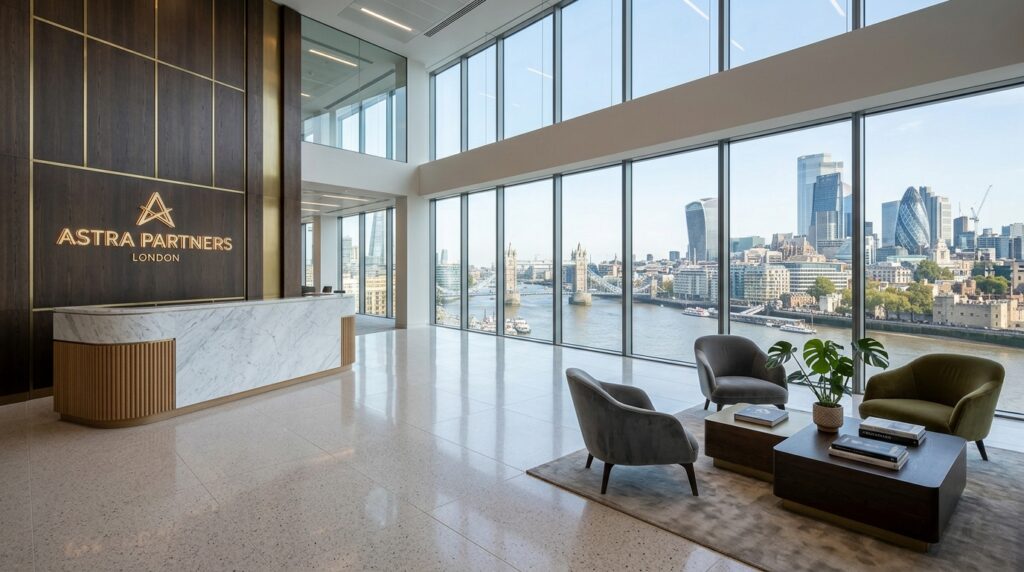
As CBRE’s UK workplace experience report1 confirms, the physical workspace environment is one of the top three factors in candidate decision-making and a primary proxy for professional capability in client assessment. A workspace photograph that simply shows what a room looks like is not doing the commercial work that the investment in that space deserves. Every image in a professional workspace library should be communicating something specific: the scale of the environment, the quality of its materials, the culture it enables, or the calibre of the business operating within it.
The documentation mindset produces images that cover all the right rooms and none of the right messages. Reception, check. Board room, check. Open plan floor, check. The images exist but they do not persuade. A prospective client scrolling through them understands what the office contains. They do not understand why they should be impressed by it or why the business occupying it is at the level they need. A specialist office interior photographer approaches every frame as a communication brief, not a coverage checklist.
The shift from documentation to communication changes every creative decision in a workspace shoot. Composition moves from showing-the-room to telling-the-story-of-the-room. Lighting moves from making-it-visible to making-it-feel-the-way-it-actually-feels. Post-production moves from correcting-the-exposure to calibrating-the-mood. Each of these shifts produces images that work harder for the business, across more channels, for longer.
Mistake Two: Shooting Without Preparing the Space
As Deloitte’s workplace and talent experience study2 identifies, candidates and clients both use the physical environment as a signal of how a business operates day to day. A workspace that photographs with clutter on desks, cables visible at floor level, mismatched chairs in meeting rooms, and personal items on surfaces communicates a business that does not manage its environment. The camera records everything the human eye learns to filter out in a live working environment. What seems like a lived-in and productive office in person reads as disorganised and unprepared in a photograph.
This is the single most common mistake in corporate workspace interior photography and the easiest to fix. It does not require a budget. It requires time and a specific preparation protocol applied consistently across every area that will be photographed.
The preparation mistakes that appear most frequently in corporate workspace shoots include:
- Desks left in working state. Monitors showing screensavers or live content, personal items including water bottles, headphones, bags, and stationery left in place, and post-it notes on monitors all read as noise in a professional workspace image. Every desk that appears in a photograph should be cleared to a clean baseline before the shoot begins.
- Cables at floor level and behind furniture. Cable management that is adequate for a working environment is rarely adequate for a camera. Power cables, network cables, and monitor leads visible in wide shots undermine the visual quality of even the most beautifully designed workspace. Taping cables behind furniture or temporarily removing floor-level cable runs before the shoot costs minutes and improves images significantly.
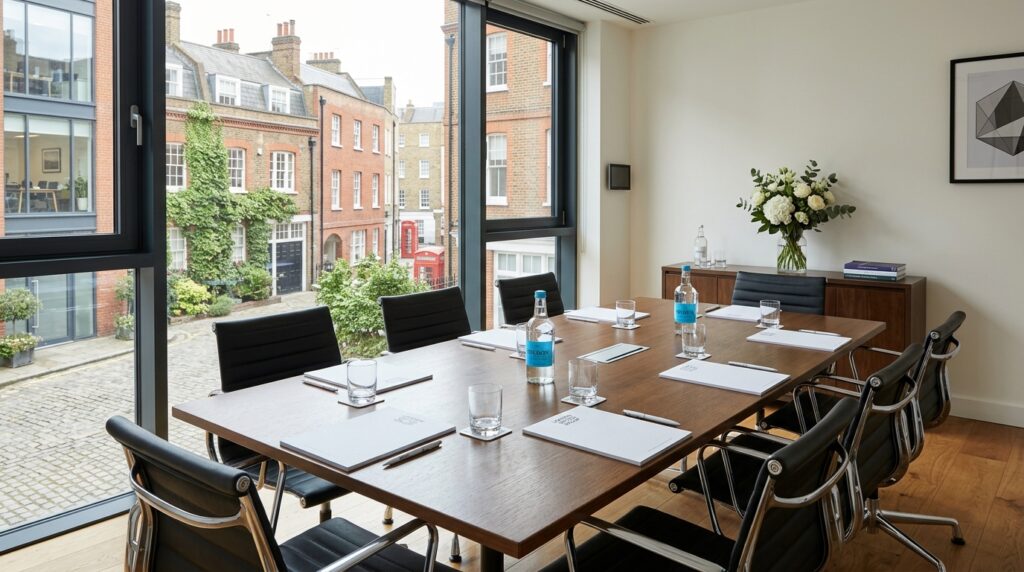
- Meeting rooms with mismatched or stacked chairs. A boardroom or meeting room with one chair slightly out of alignment, a stacked chair visible in the corner, or a presenter’s laptop left on the table reads as careless. Every chair in every meeting room that will be photographed should be placed at a consistent position around the table before the photographer arrives.
- Amenity spaces in working state. Kitchen surfaces with drying crockery, communal fridges with personal items visible, and informal seating areas with cushions flattened and arrangements disturbed all need to be reset before the shoot. These spaces communicate the quality of daily working life. They should be photographed at their best, not their average
Mistake Three: Using the Wrong Photographer for Corporate Interior Photography
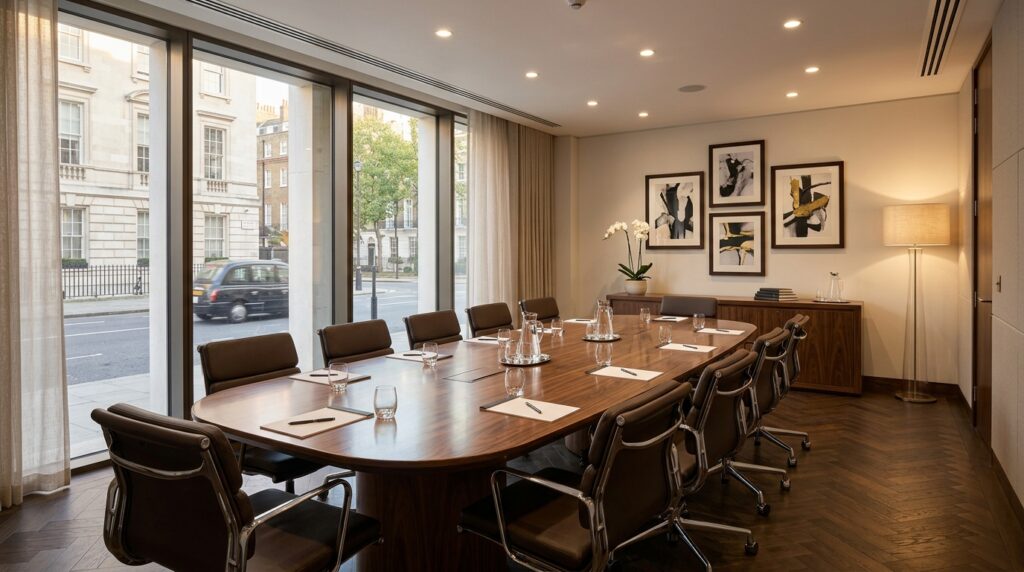
As Savills’ London office market analysis3 notes, prime London office environments command premium valuations precisely because of the quality signals they communicate to occupants, clients, and talent. Commissioning a photographer without specific experience in workspace and corporate interior photography to document those environments produces images that fail to communicate the premium those environments represent.
A generalist commercial photographer may be technically competent across many categories. Corporate workspace interior photography requires a specific combination of skills that a generalist rarely possesses in full. These include:
Understanding of mixed artificial and natural light in office environments
London office environments are among the most complex lighting situations in commercial photography. Fluorescent or LED overhead panels, task lighting at individual desks, feature lighting at reception and collaboration areas, and natural light from floor to ceiling windows all operate simultaneously at different colour temperatures and intensities. A specialist workspace photographer London brings supplementary lighting and the technical knowledge to balance all of these sources so the finished image feels like the space rather than a corrected version of it.
Experience with wide spaces and perspective correction
Large open plan floors, double height reception areas, and long boardrooms all present compositional challenges that require specialist equipment and technique. Tilt-shift lenses correct converging verticals so walls read as genuinely vertical rather than leaning. Panoramic compositions capture the full scale of a space without distortion. A specialist office interior photographer has both the equipment and the compositional experience to handle these environments precisely.
Knowledge of how images are used commercially
A specialist corporate interior photographer understands that the images produced in a workspace shoot will be used across a company website, LinkedIn, credentials presentations, press materials, and recruitment channels. They produce images formatted and composed to work across all of these simultaneously, with the hero images for each platform identified and prioritised during the shoot rather than discovered during post-production. A generalist delivers images. A specialist delivers a corporate interior photography library
Mistake Four: Producing Images That Cannot Be Used Across All Required Channels
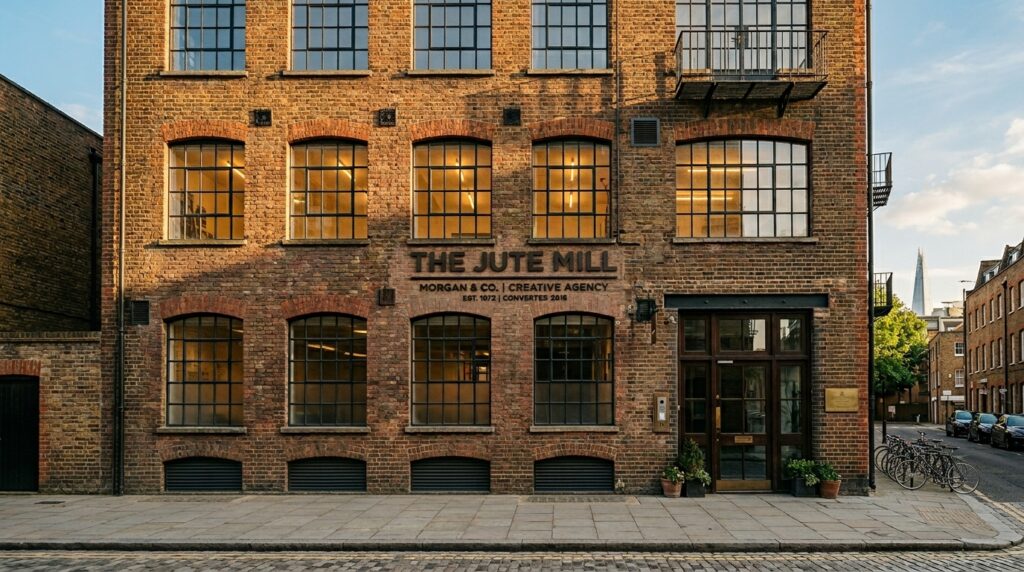
As Baymard Institute’s research on multi-channel visual content4 demonstrates, digital content that is produced for one channel and repurposed for others consistently underperforms compared to content planned for multi-channel use from the outset. For corporate workspace photography, this means that images shot in a single landscape orientation for a website banner cannot be easily repurposed for Instagram Stories, LinkedIn profile headers, or printed credentials documents without significant cropping that compromises the composition.
The most common format failures in corporate office space photography London include:
No vertical format options for social media
Instagram Stories, LinkedIn mobile posts, and recruitment platform listings all favour vertical format imagery. A corporate workspace shoot that produces only landscape images leaves the marketing team without native-format content for these channels, forcing them to either crop landscape images heavily or use phone photography for vertical content. A specialist workspace interior photography brief includes vertical format captures of key spaces as a planned output, not an afterthought.
Hero images that cannot be cropped for banners
Website banners and LinkedIn cover images require a wide horizontal format with the key visual element positioned away from the edges to allow for cropping across different display widths. A workspace shot where the key compositional element sits dead centre works for a single-use image but fails when adapted for banner formats. A specialist photographer anticipates banner use and composes hero images with this flexibility built in from the start.
Images delivered only in web resolution
Press features, printed credentials documents, exhibition materials, and office signage all require high resolution image files. A workspace photographer London who delivers only web-optimised JPEGs is providing images suitable for one channel and unusable for several others. Every professional workspace shoot should be delivered with full resolution files alongside web-optimised versions, with format specifications agreed at briefing stage.
No seasonal or campaign variation
A single workspace shoot that produces a fixed library without variation limits the brand’s ability to present different facets of the environment across different campaigns or seasons. A well-planned office photography London commission includes images at different times of day, in different lighting conditions, and with different levels of human presence, producing a library with the range to support twelve months of consistent content across all channels.
Frequently Asked Questions
How do we brief a workspace photographer correctly?
Start the brief with commercial outcomes, not room lists. Instead of specifying that you need photographs of the reception, the board room, and the open plan floor, start with: who is the audience for these images, what do you want them to think or feel after seeing them, and which channels will the images appear on. A specialist workspace interior photography professional will use these answers to determine which spaces to photograph, how to approach each one, and how to format the deliverables for every intended use. A brief built around outcomes produces a library that works commercially. A brief built around room lists produces a library that covers the space.
Should models be used in workspace photography?
As Nielsen Norman Group’s research on professional services imagery5 shows, websites featuring both environment and lifestyle photography achieve significantly higher engagement scores than those with either in isolation. For most corporate workspace shoots, a combination of empty architectural images and lifestyle images with models or staff produces the most commercially effective library. Empty images communicate the quality of the space itself. Lifestyle images communicate the culture and human dimension of working there. Both are necessary and neither replaces the other.
How long does a corporate workspace photography shoot take?
A thorough office photography London shoot for a mid-size London corporate office covering all key areas typically takes one full day. For larger multi-floor environments or offices with extensive amenity and collaboration spaces, two days is often more appropriate. Preparation time on the morning of the shoot, before the photographer arrives, should be allocated as a distinct block. The most common cause of a compressed shoot day is a team that starts preparation when the photographer arrives rather than several hours before.
What is the difference between workspace photography and architectural photography?
Architectural photography focuses primarily on the building as a designed object, capturing structure, geometry, material, and the relationship between interior and exterior form. Workspace interior photography focuses on the environment as a working and commercial space, capturing the relationship between the space, the brand that occupies it, and the people who work within it. Many shoots benefit from both approaches. Joel Knight covers both disciplines as part of an integrated workspace commission. See examples in the workspace and office photography portfolio and the architecture photography portfolio at interiorphotographer.photos.
How often should corporate workspace photography be updated?
A full corporate interior photography shoot should be commissioned at any point of significant change: a new office, a major refurbishment, a rebrand, or a significant expansion. For businesses with active recruitment programmes or regular new business development, supplementary shoots updating key areas annually ensures the library remains current. Outdated workspace photography creates a credibility gap between the imagery and the actual environment that both candidates and clients will notice on arrival.
Commission Your Workspace Interior Photography Shoot in London
Professional workspace interior photography is one of the most commercially versatile investments a London business can make in its visual presence. It serves client acquisition, talent attraction, press coverage, and brand building from a single shoot day, and it communicates the quality of your environment more directly and more efficiently than any other form of marketing content.
Browse the full workspace and office photography portfolio, the architecture photography portfolio, and the advertising photography portfolio at interiorphotographer.photos, then get in touch via the contact page to discuss your brief. Joel Knight is a London-based workspace photographer London working with professional services firms, corporate occupiers, co-working operators, and workplace design studios across London.
REFERENCES & CITATIONS
- CBRE (2023). UK Workplace Experience Report: Physical Environment in Client and Candidate Assessment. cbre.com/insights. Cited in H2 Section 1. [Workspace environment as one of the top three factors in candidate decision-making and a primary proxy for professional capability in client assessment.]
- Deloitte (2023). Workplace and Talent Experience Study: Space Presentation and Employer Perception. deloitte.com/workplace-study. Cited in H2 Section 2. [Candidates and clients using the physical workspace environment as a signal of how a business operates day to day.]
- Savills (2023). London Office Market Analysis: Premium Workspace and Brand Value Communication. savills.com/research. Cited in H2 Section 3. [Prime London office environments commanding premium valuations because of the quality signals they communicate to occupants, clients, and talent.]
- Baymard Institute (2023). Multi-Channel Visual Content: Planning vs Repurposing in Corporate Communications. baymard.com/research. Cited in H2 Section 4. [Digital content planned for multi-channel use from the outset consistently outperforming content produced for one channel and repurposed for others.]
- Nielsen Norman Group (2022). Professional Services Imagery: Environment and People Photography Engagement. nngroup.com. Cited in H2 Section 5 FAQs. [Websites featuring both environment and lifestyle photography achieving significantly higher engagement scores than those with either in isolation.]